
Imperial County
IMPERIALCOUNTY.ORG

A Message from the Chair
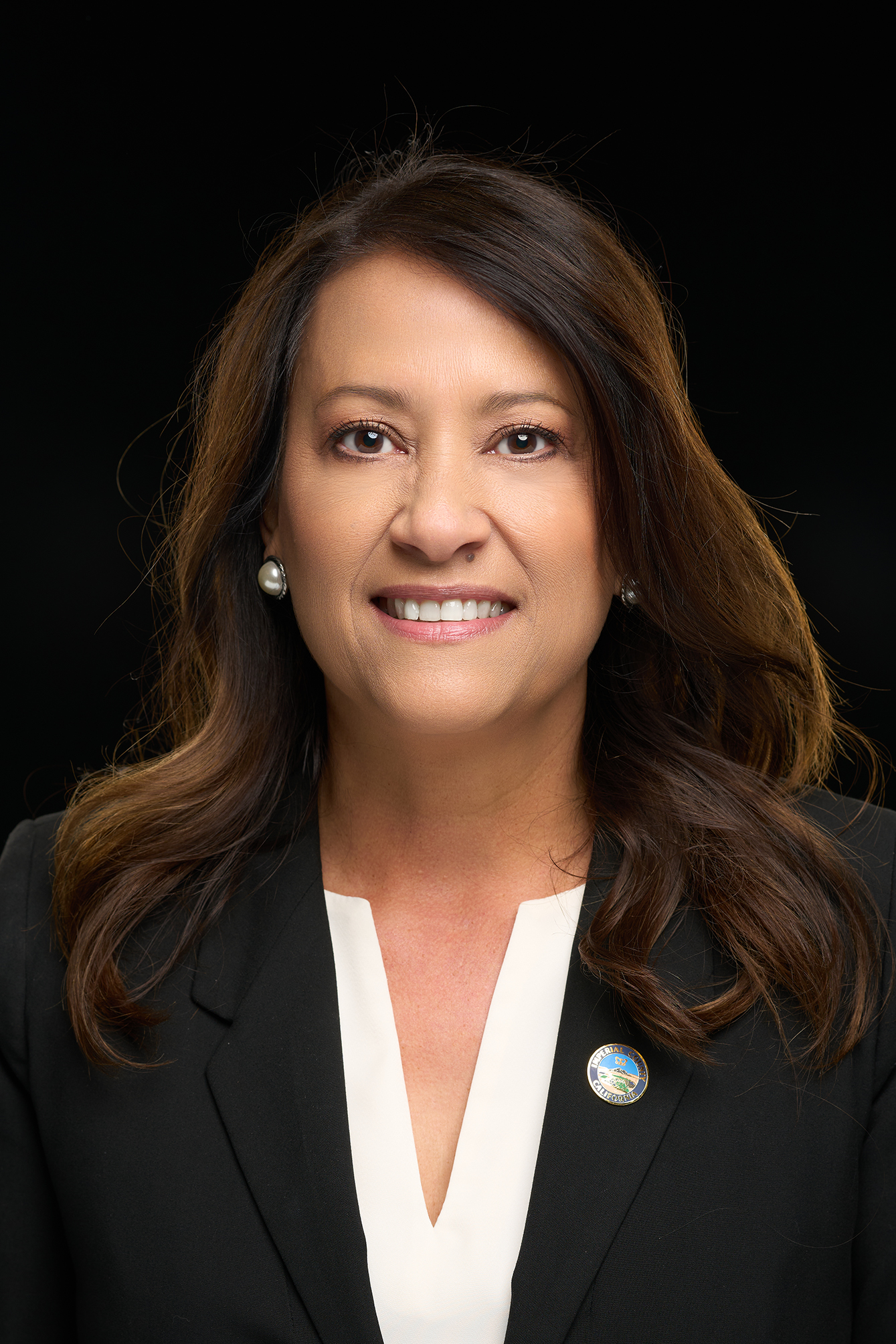
I’m sure many of you have heard the County talk about Lithium Valley over the last few years. Lithium Valley is unique because it represents an opportunity for Imperial County to shape its own future. The Lithium Valley Specific Plan and Program Environmental Impact Report are planning documents that have the potential to bring good-paying local jobs, strengthen our infrastructure, expand renewable energy development, and position our region as a leader in critical mineral production.
Just as important, it creates opportunities for workforce training and long-term economic investment right here at home, so our families and small businesses can benefit.
We also know the idea of Lithium Valley, and the planning documents associated with it, are a big conversation. The LVSP and PEIR were released for review on December 30, 2025 with an initial 60 day public comment period. Over the past two months, we’ve received input from community members, tribal leaders, environmental advocates, state agencies, and industry partners, requesting more time to review the documents and provide input, which is why we’ve extended the public review period until April 17, 2026 at 5PM. We want all stakeholders to have more time to engage in the Lithium Valley initiative, review the plan and share their input.
We want to hear from you, and ensure the path ahead reflects the voices of the community. We encourage you to visit our County website to review the planning documents and submit your comments to PublicComment@co.imperial.ca.us
February’s Paws & Reflect Moments
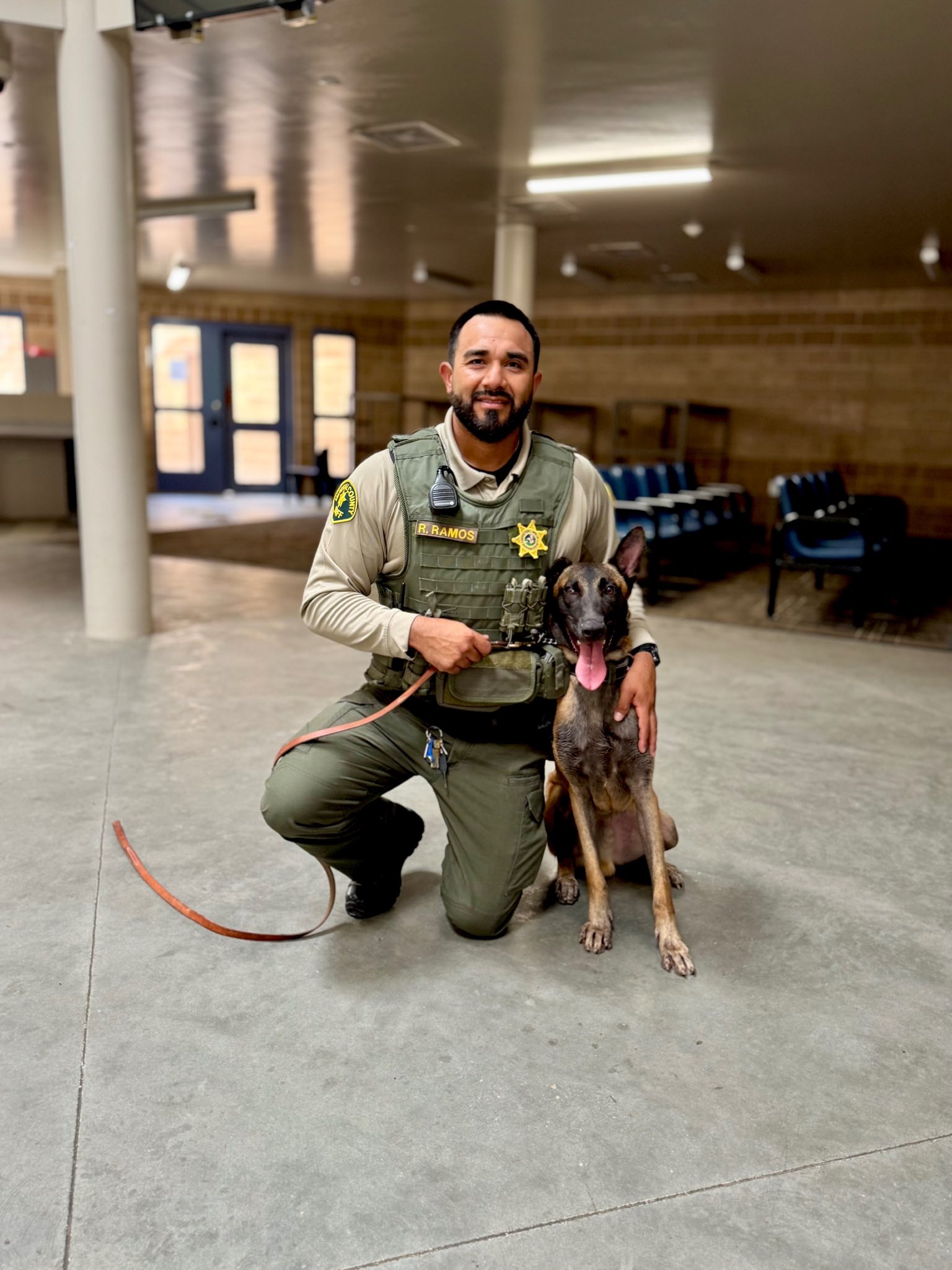
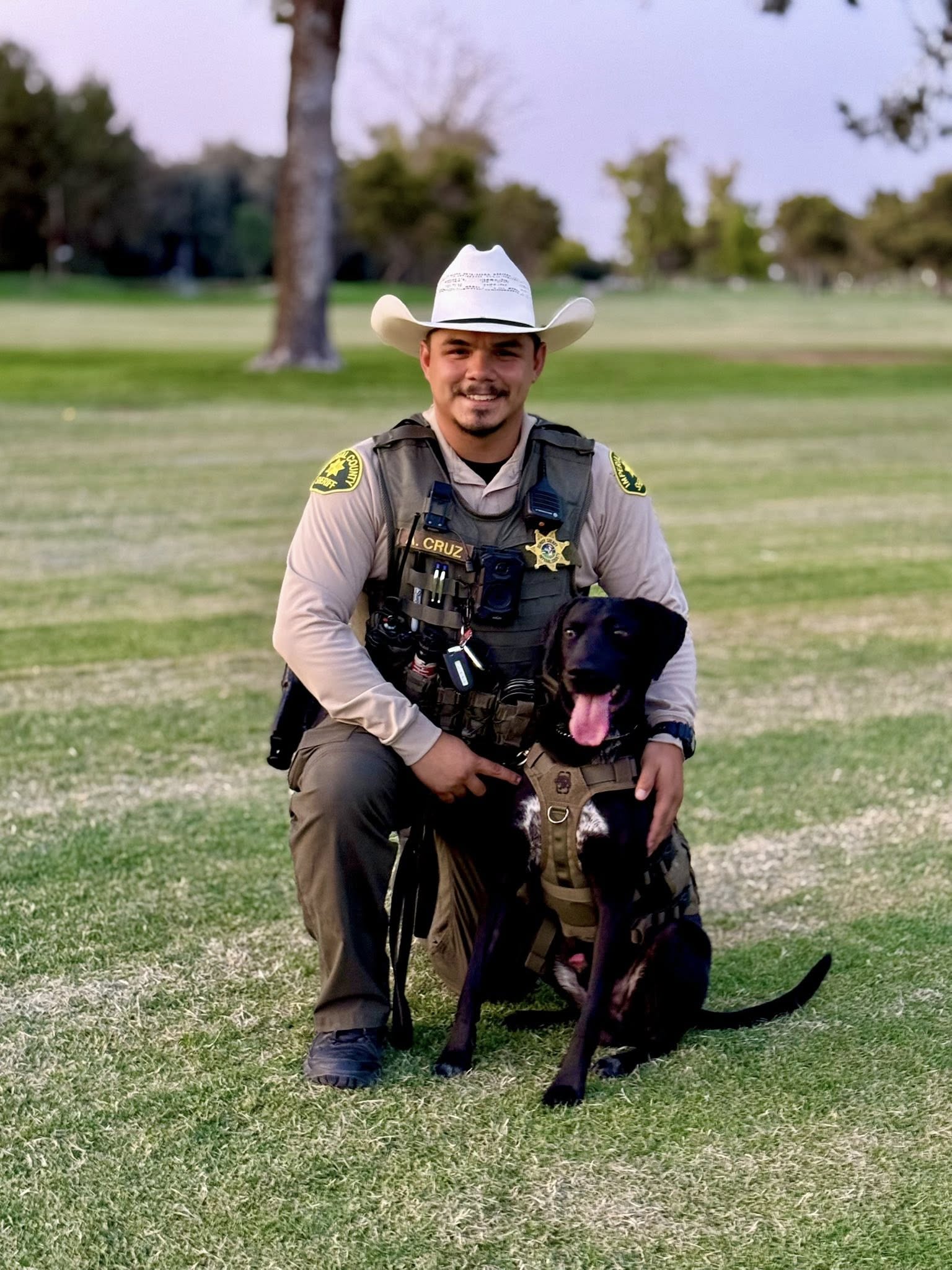
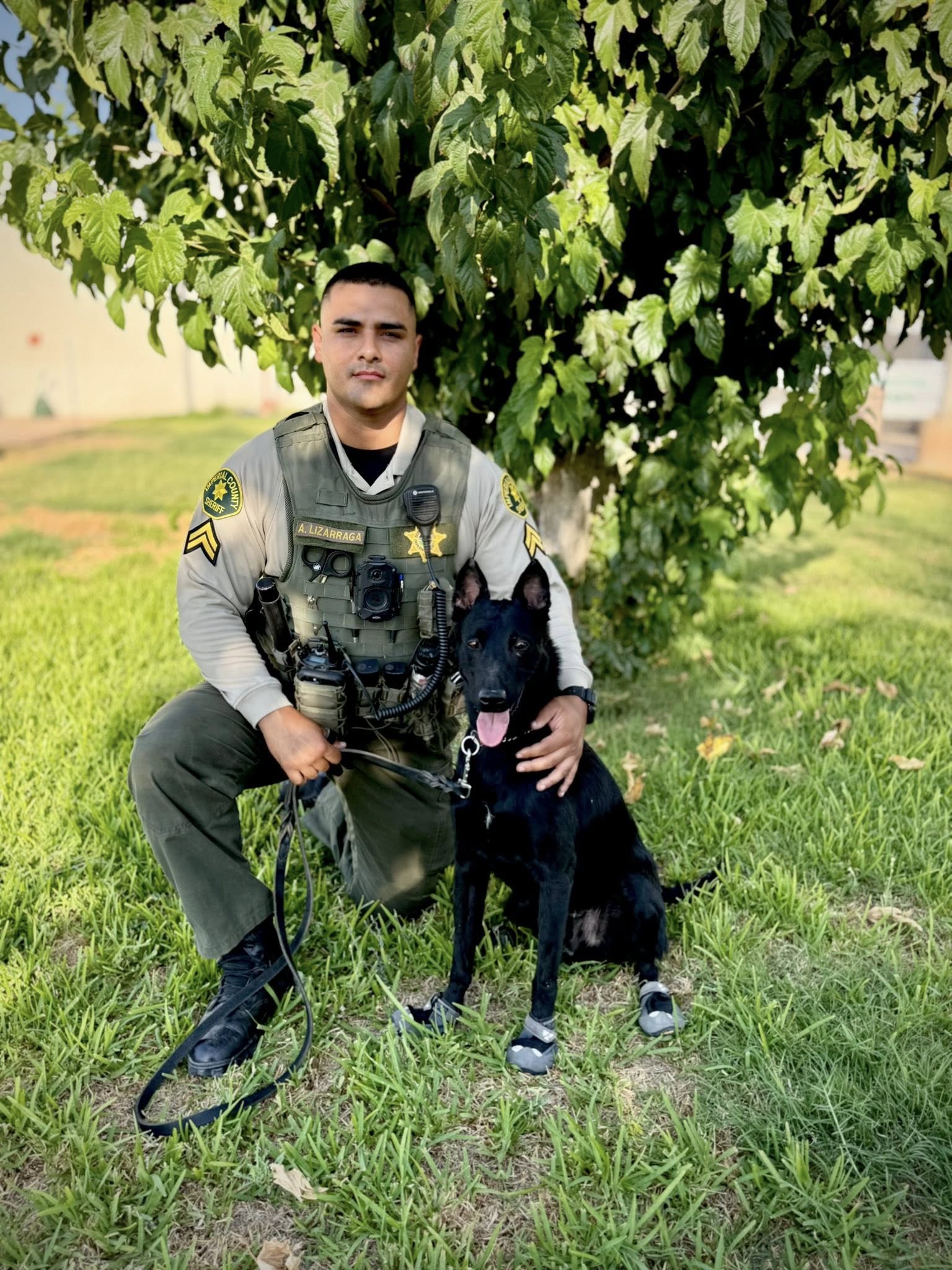
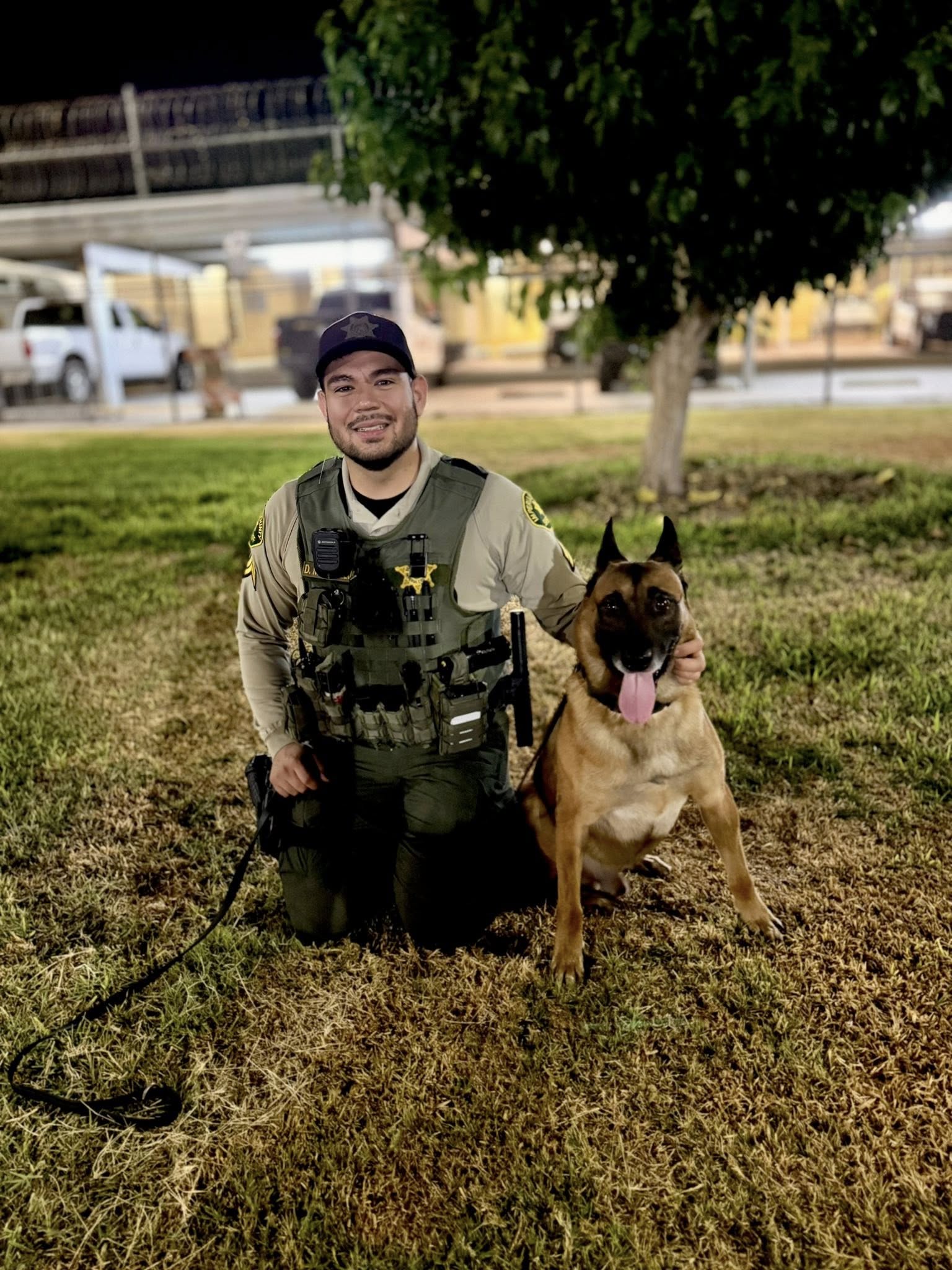
Some of the hardest-working members of the Imperial County Sheriff’s Office walk on four legs.
The Sheriff’s K-9 Unit pairs specially trained dogs with dedicated handlers who work side-by-side every day to help keep Imperial County safe. These canine partners have an incredible sense of smell and the training to detect illegal narcotics that would be nearly impossible for humans to find.
Whether assisting deputies during investigations, helping search vehicles, or supporting enforcement operations across the county, these dogs play a key role in getting dangerous drugs off the streets. Their work often happens quietly behind the scenes, but the impact they make for local communities is significant.
K-9 teams also support the county’s correctional facilities, where they help locate drugs and other prohibited items that could threaten the safety of staff and inmates. Their presence helps maintain a secure environment inside the jail system.
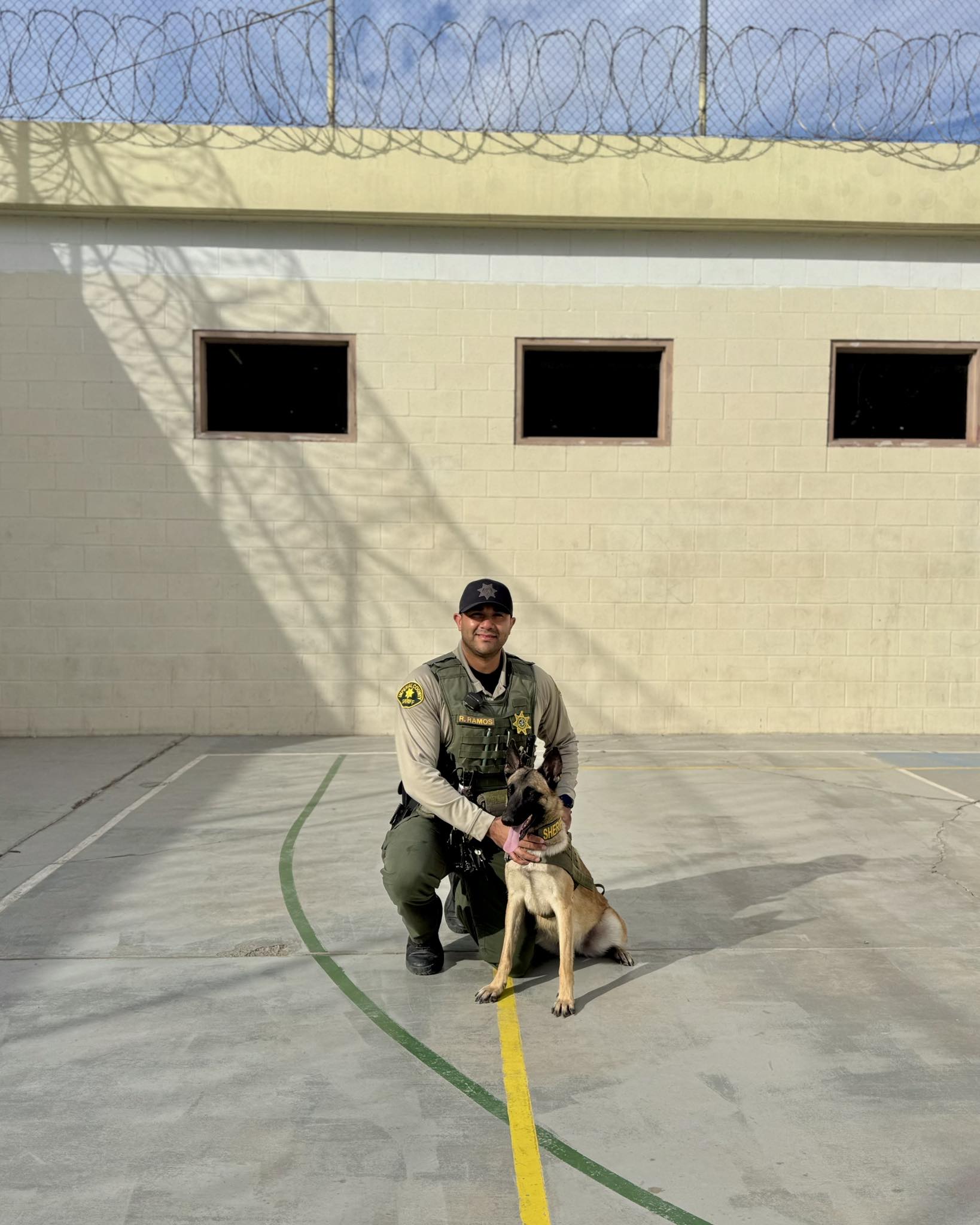
Say Hello to K-9 Kiki
The unit recently welcomed a new four-legged partner, K-9 Kiki.
Kiki works alongside Correctional Officer Handler Ramos, helping the Corrections Bureau detect illegal narcotics and other contraband within the facility. Even as the newest member of the team, Kiki already plays an important role in supporting the Sheriff’s Office mission of “Committed to Professional Service and Protection.”
Behind every successful K-9 team is a strong bond between handler and dog. Together they train, work, and rely on one another in situations where focus, discipline, and trust matter most.
And while they may look friendly and adorable off duty, when it’s time to work, these K-9s are highly skilled partners helping protect the people of Imperial County.
Found Their Furever Homes
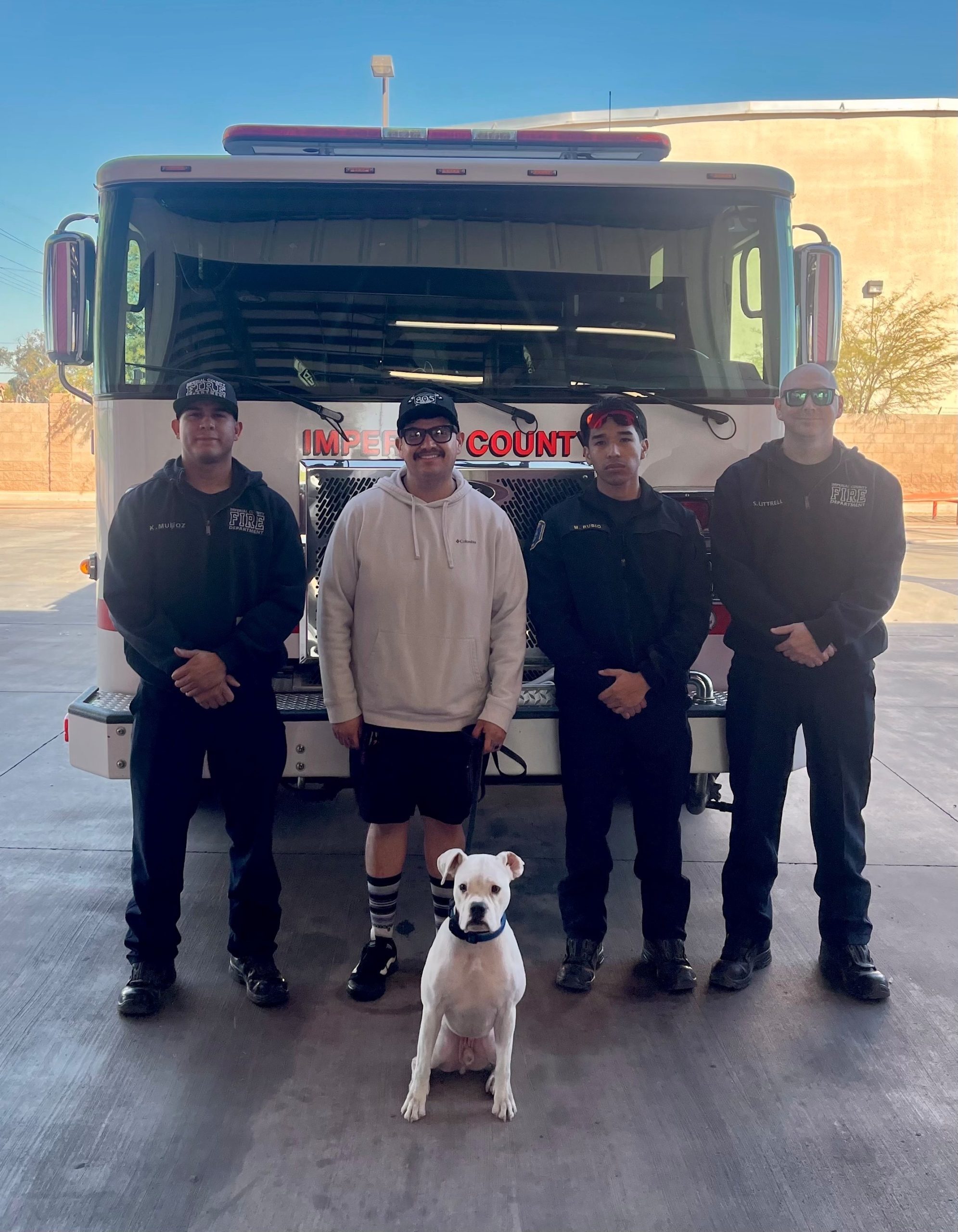
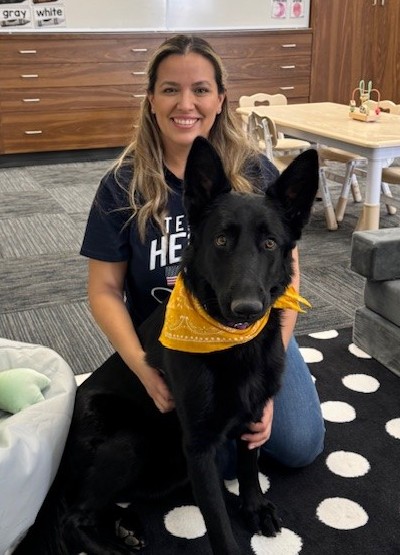
The Positive Engagement Team (PET) is part of the MHSA Prevention and Early Intervention Program, using trained dogs to reduce stigma around mental illness and mental health services. PET helps individuals feel welcomed, supported, and motivated to seek treatment, while promoting dignity and equity for those living with mental illness.
How PET Works
- Outpatient Clinics: Trained dogs engage clients, build trust, and create a positive, welcoming experience during appointments.
- Community Outreach: PET participates in events like health and career fairs to combat stigma, educate the public, and promote positive perceptions of mental health services.
By connecting people with trained animals and professional mental health staff, PET helps destigmatize mental illness, encourage treatment, and foster a stronger, more supportive community.
February's Sunshine Moments
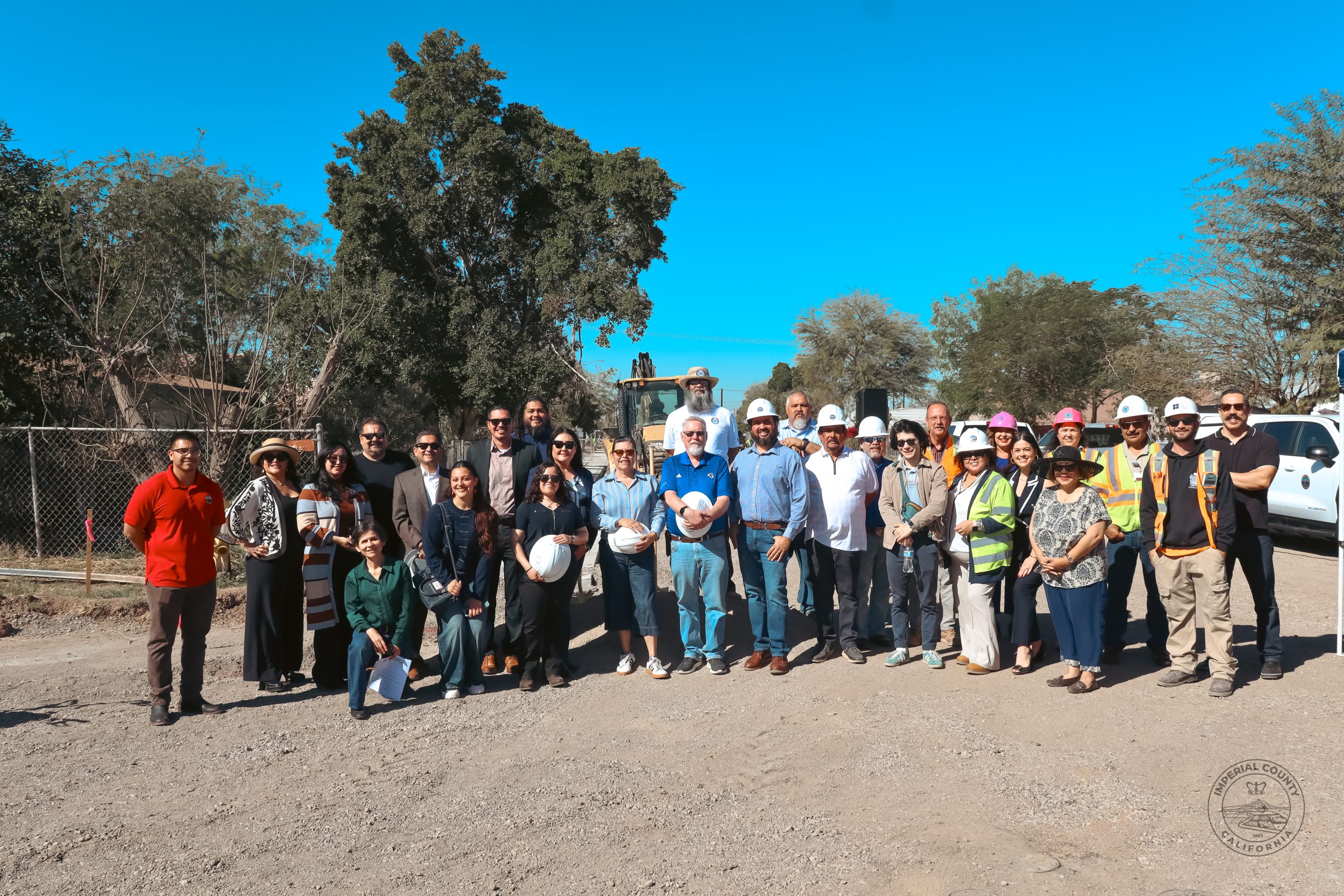
Heber Townsite Improvements Phase II Groundbreaking
We celebrated the Heber Townsite Improvements Phase II Paving Project Groundbreaking in Heber!
This important project is a collaboration between the Imperial County Air Pollution Control District, the Imperial County Public Works Department, and the AB 617 El Centro-Calexico-Heber Community Steering Committee.
With $2.4 million in funding, the project will pave approximately 56,440 square feet of unpaved roadway shoulders north of SR-86 between Heber Avenue and Heffernan Avenue. By reducing fugitive dust from unpaved shoulders, this project will improve air quality while adding new sidewalks to enhance pedestrian safety for the Heber community.
Thank you to everyone who joined us!
Connecting Our Community: Supporting Older Adults and Families
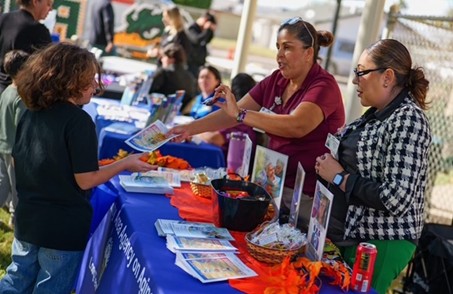
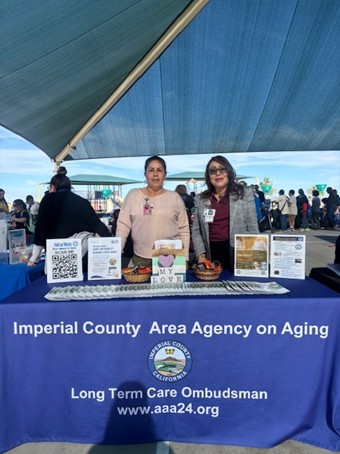
Over the past few months, the Imperial County Area Agency on Aging and the Long-Term Care Ombudsman Program joined forces with First 5 Imperial to connect with communities across the county. At six different events, we met parents, grandparents, teachers, and students, sharing information and resources to help families support the older adults in their lives.
During these gatherings, we handed out nearly 800 bilingual (English and Spanish) senior directories filled with resources for care coordination, in-home assistance, nutrition programs, caregiver support, and access to community services. We also educated attendees about elder abuse prevention, including how to recognize signs of abuse, neglect, or exploitation, and what steps to take if concerns arise.
These events were more than just information-sharing. They helped build understanding between generations, strengthen our community, and ensure everyone knows how to access support and advocacy services. For more information, call 1-442-265-7030 or visit www.aaa24.org